The Complete Guide to Custom SaaS Development: From Idea to Launch
Complete Guide: Custom SaaS Development from Idea to Launch
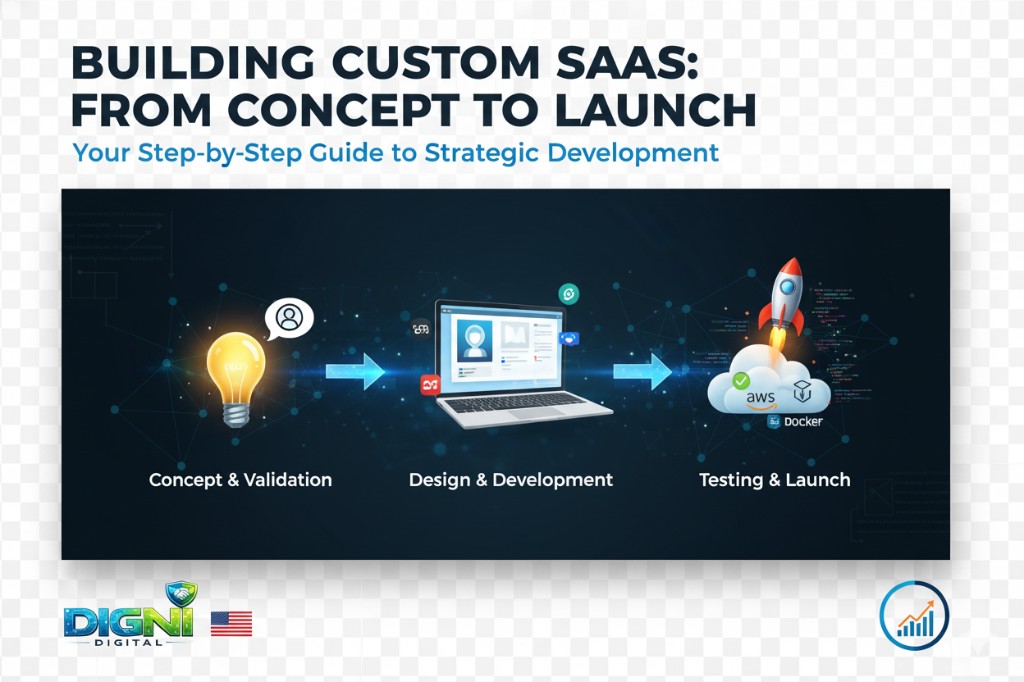
Building custom SaaS from concept to launch requires careful planning, strategic execution, and attention to detail at every stage. This comprehensive guide walks you through the entire custom SaaS development process, from initial idea validation through design, development, testing, and successful launch.
Stage 1: Ideation and Validation
Before writing a single line of code, validate your SaaS idea to ensure it solves a real problem and has market potential. This stage prevents costly mistakes and ensures you're building something people actually want.
"The best SaaS products solve real problems. We spent three months validating our idea before writing code, and it saved us from building something nobody wanted." - Jennifer Park, SaaS Founder
Revolutionary AI Applications
1. Route Optimization
AI analyzes traffic, weather, and border conditions to find optimal routes. Companies using AI logistics reduce delivery times by 35% and costs by 28%.
- Real-Time Routing - Adjusts paths based on current conditions
- Multi-Modal Transport - Optimizes truck, rail, and air combinations
- Border Crossing Prediction - Forecasts wait times at borders
- Fuel Optimization - Reduces fuel consumption by 22%
2. Predictive Maintenance
AI predicts vehicle and equipment failures before they occur, reducing breakdowns by 45% and maintenance costs by 30%.
3. Inventory Management
AI forecasts demand and optimizes stock levels, reducing inventory costs by 25% while preventing stockouts.
Case Study: Kobo360's AI Logistics Platform
Kobo360 uses AI to connect shippers with truckers across Africa:
- Route Optimization: 30% faster deliveries
- Load Matching: 85% truck utilization
- Payment Systems: Instant payments via mobile money
- Tracking: Real-time shipment visibility
Results: Kobo360 has moved $2.3 billion in goods across 10 African countries, reducing logistics costs by 25%.
The Economic Impact
AI-powered supply chains are boosting African trade:
- Trade Growth: 45% increase in intra-African trade
- Cost Reduction: $12 billion saved in logistics costs
- Job Creation: 850,000 jobs in logistics and transport
- SME Growth: 340,000 small businesses accessing new markets
Key Success Factors
1. Data Integration
Connecting data from multiple sources enables better optimization. Integrated systems see 3x better performance.
2. Mobile Technology
Mobile apps for drivers and shippers improve coordination. Mobile-first platforms have 5x higher adoption.
3. Government Partnership
Working with customs and border agencies reduces delays. Partnerships cut border wait times by 60%.
Future Outlook
The next phase will focus on:
- Autonomous Vehicles: Self-driving trucks for long-haul routes
- Drone Delivery: AI-managed drones for last-mile delivery
- Blockchain Tracking: Immutable supply chain records
- Predictive Analytics: Forecasting demand and supply disruptions
1. Problem Identification
Clearly define the problem your SaaS will solve:
- Identify pain points in your target market
- Research existing solutions and their limitations
- Validate that the problem is significant enough to pay for a solution
- Ensure the problem affects enough people to build a business
2. Market Research
Understand your market before building:
- Analyze competitors and their offerings
- Identify target customer segments
- Estimate market size and growth potential
- Research pricing models and willingness to pay
3. MVP Definition
Define your Minimum Viable Product:
- Identify core features that solve the primary problem
- Remove nice-to-have features for initial version
- Focus on delivering value quickly
- Plan for iterative improvements based on feedback
Stage 2: Design and Planning
1. User Experience Design
Design intuitive user experiences:
- Create user personas and journey maps
- Design wireframes and prototypes
- Focus on simplicity and ease of use
- Test designs with potential users
2. Technical Architecture
Plan your technical foundation:
- Choose technology stack (frontend, backend, database)
- Design scalable architecture
- Plan for security and compliance
- Consider integration requirements
3. Development Roadmap
Create a detailed development plan:
- Break work into sprints or phases
- Prioritize features by importance
- Estimate timelines and resources
- Plan for testing and quality assurance
Stage 3: Development
1. Agile Development Process
Follow agile methodologies:
- Work in short iterations (sprints)
- Regularly review and adjust plans
- Maintain continuous communication
- Deliver working software frequently
2. Quality Assurance
Ensure high code quality:
- Write automated tests (unit, integration, e2e)
- Conduct code reviews
- Perform security audits
- Test for performance and scalability
Stage 4: Launch Preparation
1. Beta Testing
Test with real users before launch:
- Recruit beta testers from target market
- Gather feedback on usability and features
- Fix critical bugs and issues
- Refine based on user feedback
2. Marketing Preparation
Prepare for launch marketing:
- Create landing pages and marketing materials
- Build email lists and social media presence
- Plan launch campaigns
- Prepare customer support resources
Stage 5: Launch and Growth
1. Soft Launch
Start with a controlled launch:
- Launch to limited user group
- Monitor performance and user feedback
- Fix issues quickly
- Gradually expand to broader audience
2. Continuous Improvement
Iterate based on user feedback:
- Track key metrics (usage, retention, revenue)
- Gather user feedback regularly
- Prioritize feature improvements
- Scale infrastructure as needed
Action Steps for SaaS Development
For teams building custom SaaS:
- Validate Your Idea: Ensure there's real demand before building
- Plan Thoroughly: Design architecture and roadmap before coding
- Build in Iterations: Start with MVP and improve based on feedback
- Test Extensively: Quality assurance prevents costly post-launch issues
- Launch Strategically: Plan launch marketing and support
- Iterate Continuously: Improve based on user feedback and metrics
Successful custom SaaS development requires careful planning, strategic execution, and continuous improvement. Following this guide ensures you build a product that solves real problems and delivers value to users.
Ready to build your custom SaaS? Book a consultation to discuss your SaaS development project.
Tags
Ready to Transform Your Business?
Let's discuss how these insights can be applied to your specific challenges.
Book Your Free Consultation