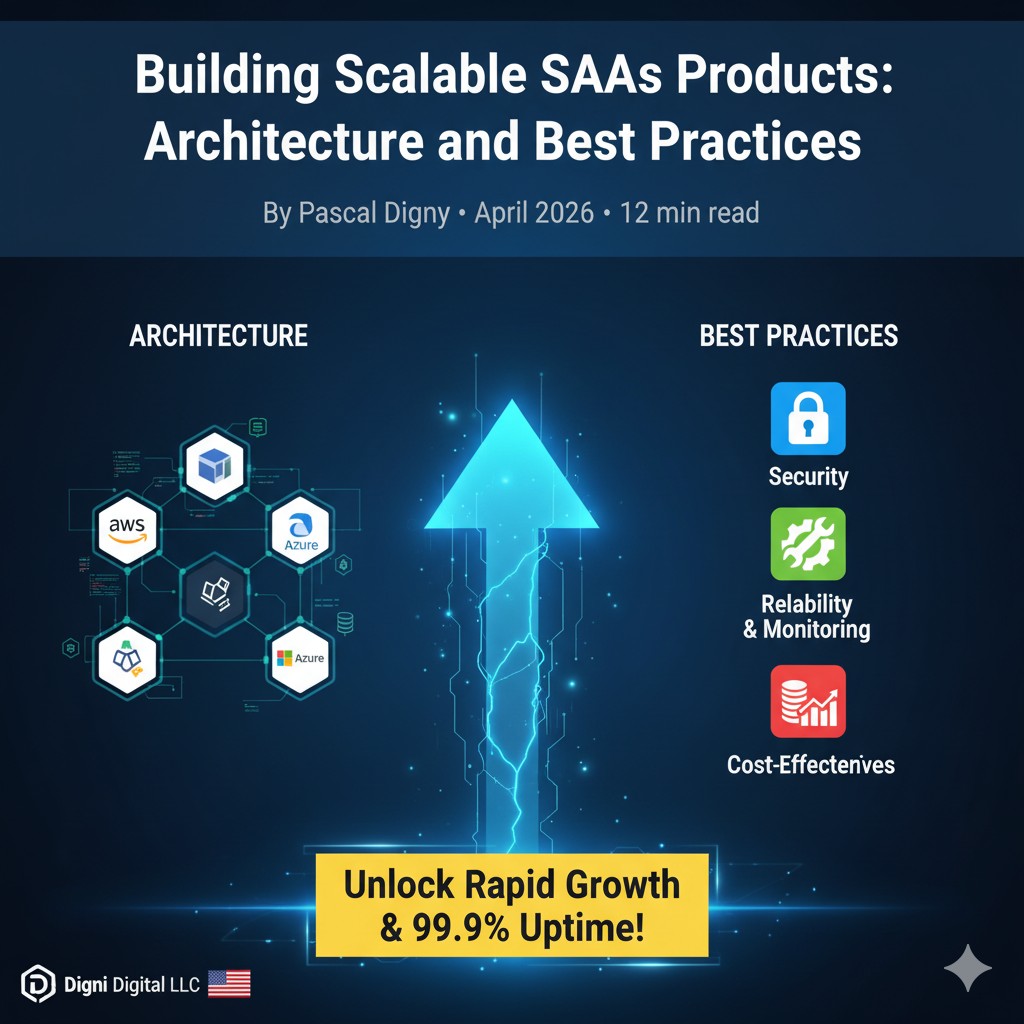
Building Scalable SaaS Products: Architecture and Best Practices
Building Scalable SaaS: Architecture That Grows With You
Scalable SaaS architecture is the foundation of successful software products. Building for scale from the start enables your SaaS to grow from startup to enterprise without costly rewrites. This guide covers essential architecture patterns and best practices for creating SaaS products that scale seamlessly.
Why Scalability Matters
Scalable architecture ensures your SaaS can handle growth without performance degradation or major architectural changes. Without proper scalability planning, successful products often hit performance walls that require expensive rewrites, causing downtime and lost revenue.
"We built our SaaS with scalability in mind from day one. When we went from 100 to 10,000 users, we didn't need to rewrite anything—we just scaled up. That saved us months of development time and prevented service disruptions." - David Kim, CTO
New Job Categories Created by AI
1. AI Training and Data Annotation
Training AI models requires human input. Data annotation jobs pay $15-30/hour and employ over 500,000 Africans. These roles teach AI systems to recognize images, transcribe audio, and understand languages.
- Image Annotation - Labeling photos for computer vision
- Text Classification - Categorizing content for NLP models
- Audio Transcription - Converting speech to text for training
- Quality Assurance - Testing AI system accuracy
2. AI Prompt Engineering
Prompt engineers design inputs that get the best results from AI systems. This emerging field pays $50-100/hour and requires creativity and technical understanding.
3. AI Ethics and Governance
As AI becomes more powerful, companies need experts to ensure ethical use. AI ethics roles pay $60-120/hour and are growing rapidly.
Case Study: Andela's Developer Training
Andela has trained over 100,000 software developers in AI-relevant skills:
- Machine Learning Engineers: 25,000 trained, average salary $75,000
- Data Scientists: 18,000 trained, average salary $65,000
- AI Product Managers: 12,000 trained, average salary $80,000
- AI Researchers: 5,000 trained, average salary $95,000
Results: Andela graduates work at companies like Google, Microsoft, and IBM, earning 5-10x local market rates.
The Economic Impact
AI job creation is transforming African economies:
- High-Paying Jobs: 850,000 positions paying $50,000+ annually
- Remote Work Opportunities: 1.2 million Africans working for global companies
- Entrepreneurship: 340,000 AI startups created
- Economic Growth: $45 billion added to African GDP
Key Success Factors
1. Skills Development Programs
Training programs that teach AI-relevant skills have 85% job placement rates. Companies investing in employee training see 3x higher retention.
2. Remote Work Infrastructure
High-speed internet and coworking spaces enable remote AI work. Cities with good infrastructure attract 5x more remote workers.
3. Government Support
Countries with AI education initiatives see 4x faster job growth in tech sectors.
Future Outlook
The next wave of AI jobs will include:
- AI Safety Researchers: Ensuring AI systems are safe and beneficial
- Human-AI Collaboration Specialists: Optimizing human-AI teamwork
- AI Content Creators: Using AI to create media and entertainment
- AI Consultants: Helping businesses implement AI solutions
Essential Architecture Patterns
1. Microservices Architecture
Break your application into independent, scalable services:
- Service Independence - Each service can scale independently
- Technology Flexibility - Use best tools for each service
- Fault Isolation - Failures in one service don't crash the system
- Team Autonomy - Teams can work on services independently
2. Multi-Tenancy Design
Design for multiple customers from the start:
- Data Isolation - Ensure customer data separation
- Resource Sharing - Efficient use of infrastructure
- Customization Support - Allow per-tenant configurations
- Security - Robust access controls and permissions
3. API-First Architecture
Build APIs as the foundation:
- Integration Ready - Easy connections with other systems
- Frontend Flexibility - Support web, mobile, and third-party clients
- Versioning - Manage API evolution without breaking changes
- Documentation - Clear API documentation for developers
Best Practices for Scalable SaaS
1. Database Design
Design databases for scale:
- Use appropriate database types (SQL for transactions, NoSQL for scale)
- Implement proper indexing strategies
- Plan for horizontal scaling (sharding, read replicas)
- Optimize queries for performance
2. Caching Strategy
Implement multi-layer caching:
- Application-level caching for frequently accessed data
- CDN for static assets and content
- Database query caching
- Session and user data caching
3. Monitoring and Observability
Build comprehensive monitoring:
- Application performance monitoring (APM)
- Infrastructure monitoring
- Error tracking and logging
- User analytics and behavior tracking
Scaling Strategies
Plan for different types of scaling:
- Vertical Scaling - Increase server resources (CPU, RAM)
- Horizontal Scaling - Add more servers to handle load
- Auto-Scaling - Automatically adjust resources based on demand
- Load Balancing - Distribute traffic across multiple servers
Action Steps for Building Scalable SaaS
For teams building scalable SaaS products:
- Plan for Scale Early: Design architecture with growth in mind from day one
- Choose Right Technologies: Select tools and frameworks that support scaling
- Implement Best Practices: Follow proven patterns and practices
- Monitor Performance: Track metrics to identify bottlenecks early
- Iterate and Optimize: Continuously improve based on real usage patterns
Building scalable SaaS architecture from the start enables your product to grow seamlessly from startup to enterprise without costly rewrites or service disruptions.
Ready to build scalable SaaS? Book a consultation to discuss architecture planning for your SaaS product.
Tags
Ready to Transform Your Business?
Let's discuss how these insights can be applied to your specific challenges.
Book Your Free Consultation